Exit Code 2: Prevent File Collisions Across AI Terminals
Parallel Claude Code terminals overwrite shared files and ruin git trees. Here is how Decoupled Swarm Mesh fires Exit Code 2 before collisions occur.
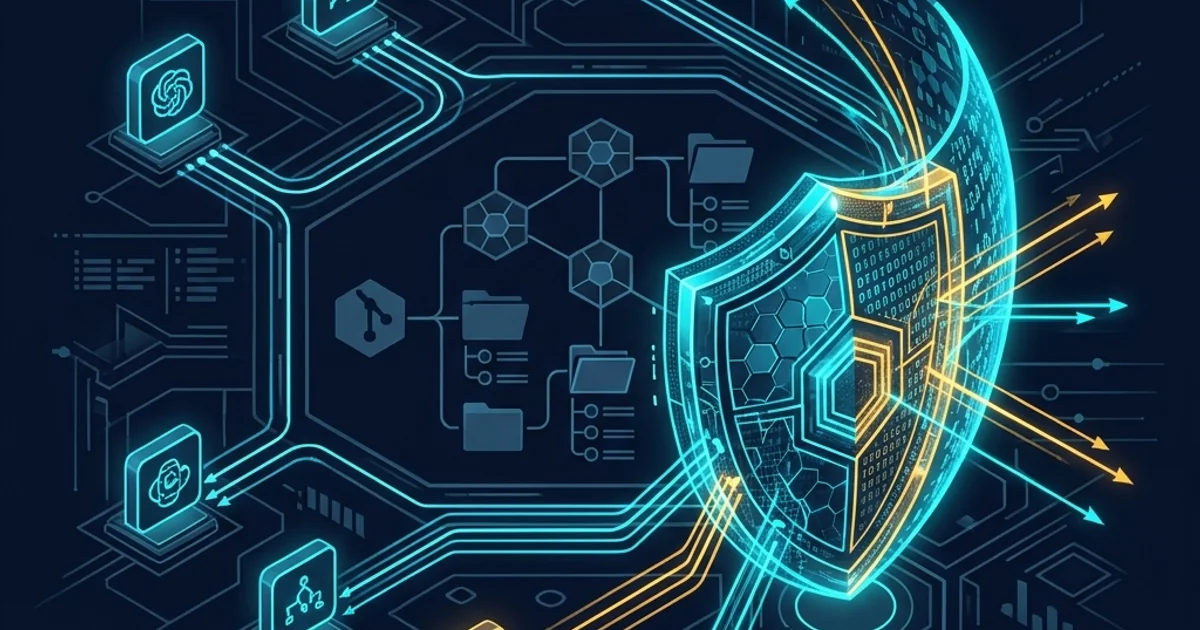
Table of Contents
You open three terminal windows. Terminal one refactors authentication. Terminal two rebuilds the dashboard layout. Terminal three cleans up the API client. The Exit Code 2 protocol ensures these concurrent terminals never overwrite each other. Two hours later, work finishes cleanly without corrupted commits.
The root cause is straightforward: all three sessions modified overlapping files. Terminal one added imports to server.go. Terminal two deleted that exact block. Terminal three overwrote the entire file from a stale snapshot. The last write won, and earlier architectural work vanished without warning.
Merge conflicts can be resolved manually. What you cannot recover are silent overwrites that never made it into git history.
It is like hiring three painters to paint the same wall without coordination. Each applies a different color, and the final result is whatever color was brushed on last.
How Exit Code 2 Intercepts Collisions Before They Occur
The instinct is to introduce lockfiles. You might point to .git/index.lock or drop custom .lock files before modifying disk.
In production development, standard lockfiles break down quickly:
- Lockfiles are strictly binary: locked or unlocked. If an agent process crashes unexpectedly, the lockfile persists, freezing your entire toolchain until someone deletes it manually.
- Lockfiles have no owner metadata. The system knows a resource is locked, but cannot tell who holds it, what task is executing, or how to contact the owner.
- Lock granularity is wrong. Locking the entire repository serializes all work unnecessarily. Locking individual files is too narrow: two separate files in the same Go package or TypeScript module can easily break shared interface contracts.
You do not need static locks. You need dynamic session coordination.
The Invisible Race Condition in AI Workflows
Local filesystems do not support cross-process transactions. Two processes writing to the same file path execute a classic race condition.
This hazard is amplified by how AI agents operate. An agent does not read a file immediately before writing. It reads the file at turn zero, spends several hundred milliseconds generating tokens, and writes the updated buffer at the end of the turn. During that thinking window, another terminal session can easily modify the file.
Checking whether a file changed on disk right before writing is not enough. You need resource claims held for the entire duration of a logical task.
The Advantage: Decoupled Swarm Mesh
ACS Core combines two complementary mechanisms to resolve this:
Layer one, the Session Bus. A local SQLite WAL-backed IPC bus tracking active agent sessions, package-level claims, and inter-session message queues. Each agent session registers a unique identity and claims resources by package directory rather than isolated files.
Claims include a time-to-live (TTL). If a terminal process terminates abruptly, its claims expire automatically without leaving orphaned locks. Other sessions can inspect the claim bus and message the current owner directly.
Layer two, Package Boundary Armor. A PreToolUse hook that executes immediately before any Write or Edit operation. It verifies whether the target file's parent package is claimed by an active external session. If another session holds the claim, the operation is rejected with Exit Code 2. The error output specifies the conflicting package, the active session ID, and routing advice to coordinate over the Session Bus.
The architecture is fail-open by design. If the Session Bus becomes unavailable, the hook never blocks execution. Solo developers working in a single terminal encounter zero friction. A session modifying its own claimed resources proceeds without delay.
Instead of silent disk overwrites, you receive an actionable warning before damage occurs.
Exit Code 2 Air-Lock Protocol and Bus Coordination
When This Protection Matters Most
If you work alone in a single terminal window, Package Boundary Armor operates quietly in the background without adding latency.
Its true value appears the moment you spin up multiple concurrent CLI agents, or when team members run agents against the same shared workspace. In multi-agent environments, a single Exit Code 2 intervention saves hours of git archaeology and state restoration.
To learn more about how 21 agent personas coordinate within this mesh, review the ACS swarm architecture. To inspect deployment options, visit the pricing page. Review POSIX process exit status conventions in GNU Bash Exit Status ↗.
Related Articles
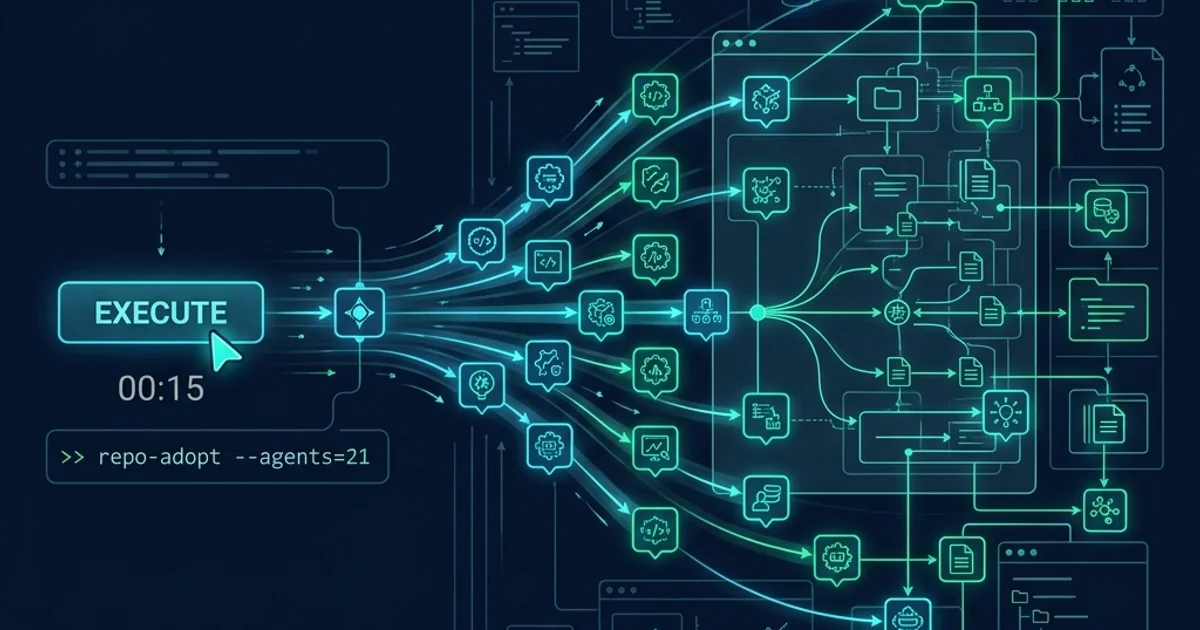
Inside acs adopt: Deploy 21 Specialized Agents in 15s
Onboarding should not take days. Here is how acs adopt inspects your stack and provisions 21 specialized agents and 7 reflexes in 15 seconds.

Bypass Cloudflare Turnstile with Stealth Browser MCP
Stock Puppeteer hits 403 blocks in seconds. Here is how a Tri-Engine Stealth Browser MCP reliably bypasses Cloudflare Turnstile defenses.

Automated TDD RGR: Stopping False Completion Claims in AI
Agents claim tasks are complete right before code crashes. Here is how strict TDD and an independent verification air-lock enforce empirical test evidence.
💬 Community Comments
Community discussion coming soon
Comments for “Exit Code 2: Prevent File Collisions Across AI Terminals” are not enabled in this version. Say hi via GitHub meanwhile.